
When most people imagine a commercial agricultural plantation, they picture monoculture: vast, cleared landscapes stripped of native trees, sprayed with industrial inputs, and stretched flat under harsh direct sunlight.
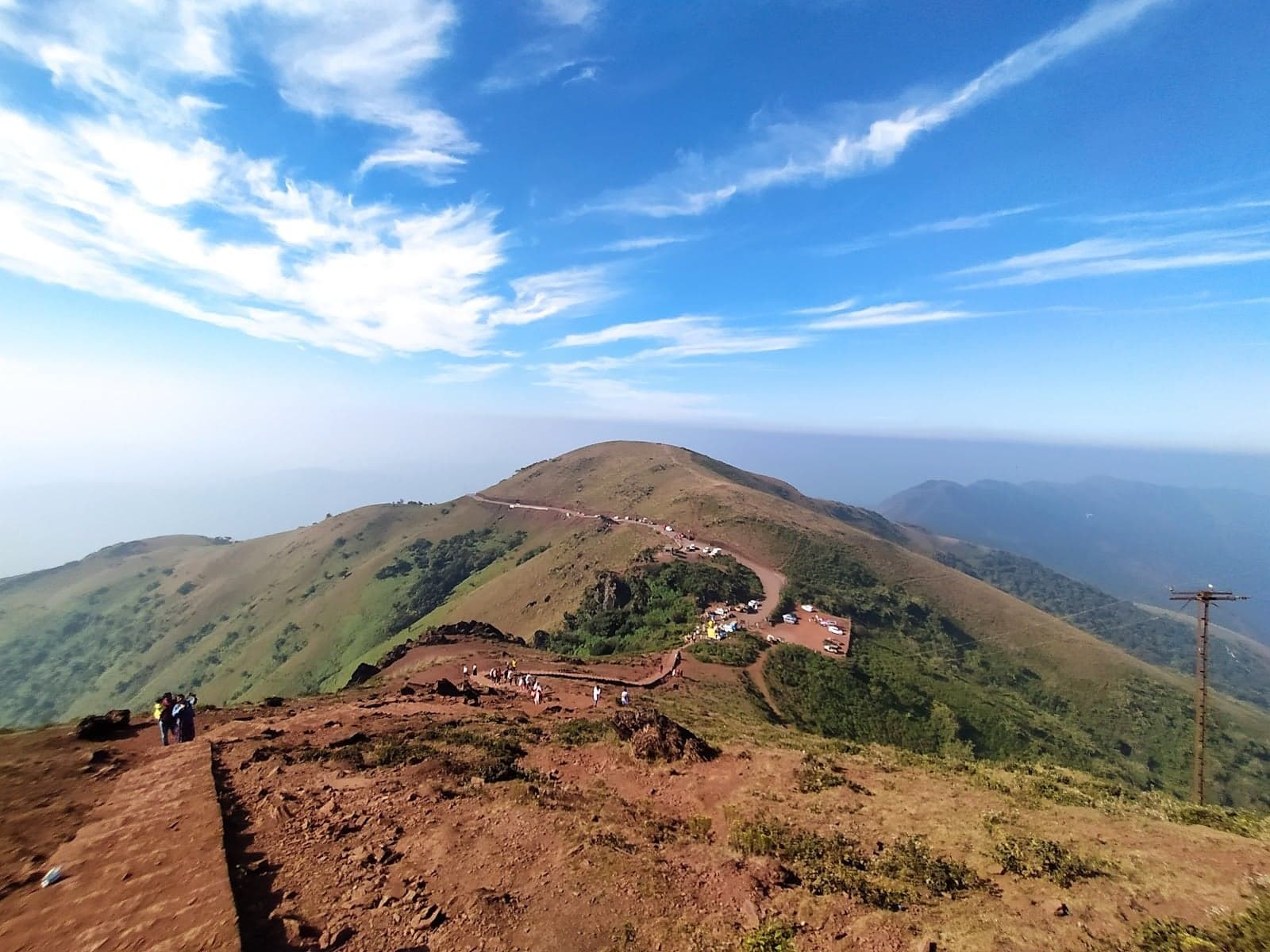
Travel into the mist-covered folds of the Western Ghats in southern India—to the coffee hills of Chikmagalur or the high tea ridges of Coonoor and Ooty—and you enter a completely different agricultural paradigm.
Here, high-grown coffee and orthodox tea are cultivated under a multi-tiered shade canopy. Instead of cutting down the rainforest, traditional growers integrate their crops directly into the forest floor, creating an agro-ecological sanctuary that protects watersheds, preserves endangered wildlife corridors, and yields some of the most complex taste profiles in the world.
          THE MULTI-TIERED SHADE-GROWN CANOPY

    [ Tier 1: 30–40m ] Native Forest Giants (Ficus, Albizia, Rosewood)
                       • Canopy shelter & wildlife corridors
                              │
    [ Tier 2: 15–20m ] Silver Oak & Erythrina
                       • Support for climbing Black Pepper vines
                              │
    [ Tier 3: 2–3m ]   Arabica & Robusta Coffee Bushes
                       • Slow bean maturation under filtered light
                              │
    [ Tier 4: Ground ] Organic Leaf Litter, Cardamom & Microbes
                       • Natural moisture retention & soil carbon
1. Chikmagalur: The Cradle of Seven Smuggled Beans
The story of Indian coffee begins with an act of seventeenth-century defiance.
According to historical records, the Sufi mystic Baba Budan made a pilgrimage to Mecca in 1670. While passing through the Yemeni port of Mocha, he tasted coffee and observed that the Arab authorities strictly forbade the export of fertile raw coffee beans to preserve their global monopoly.
Baba Budan strapped seven raw green coffee seeds to his chest beneath his robes and smuggled them across the Arabian Sea to his hermitage in the Chandragiri Hills of Chikmagalur. He planted those seven seeds in the rich volcanic soil of the Western Ghats, establishing the foundation of the Indian coffee industry.
┌─────────────────────────────────────────────────────────────┐
│                 WHY SHADE-GROWN TERROIR MATTERS             │
├─────────────────────────────────────────────────────────────┤
│ 1. Slow Maturation: Filtered sunlight slows cherry growth,  │
│    allowing sugars and complex organic acids to concentrate.│
│ 2. Natural Pest Resistance: Multi-canopy birds & bats act as│
│    biological pest controls, reducing chemical inputs.      │
│ 3. Soil Carbon Health: Falling leaf litter continuously     │
│    nourishes topsoil without stripping mountain nutrients.  │
│ 4. Watershed Protection: Deep tree root systems prevent     │
│    monsoon topsoil erosion and feed freshwater rivers.      │
└─────────────────────────────────────────────────────────────┘
The Ecology of the Coffee Canopy
In Chikmagalur (Journey 24), coffee is never exposed to raw, unshaded sun. It is grown beneath two distinct layers of forest canopy:
- The Upper Canopy: Native jungle giants—rosewood, wild fig, and jackfruit—that provide nesting habitats for hornbills, flying squirrels, and over two hundred species of forest birds.
- The Middle Canopy: Silver oak and erythrina trees, up which thick vines of black pepper (Piper nigrum) climb, yielding a secondary harvest.
Because the coffee cherries ripen slowly in cool, dappled forest shade, their natural sugars develop over a longer maturation cycle. The resulting Arabica beans exhibit low acidity, rich body, and delicate aromatic notes of dark chocolate, cardamom, and roasted nuts.
2. The Nilgiris: High-Elevation Mist and Orthodox Tea
Further south in Tamil Nadu, the mountain plateau rises above 2,000 metres into the Nilgiris ("The Blue Mountains").
Here, in the cool sub-alpine air of Ooty and Coonoor (Journey 29), the British administrator John Sullivan introduced Camellia sinensis in the 1830s. Cultivated at elevations exceeding 6,000 feet, the tea bushes are blanketed by morning mountain mists and subjected to dramatic diurnal temperature shifts.
Unlike the mass-manufactured, machine-pulverized CTC (Crush, Tear, Curl) teas produced on lowland plains for industrial tea bags, the estates of the Nilgiris specialize in whole-leaf Orthodox teas:
- The leaves are harvested by hand: strictly "two leaves and a bud."
- The whole leaf is gently withered, rolled on heritage brass tables to bruise the cell walls without breaking the leaf, fermented under humid mountain air, and fire-cured.
- The resulting brew—frequently referred to as the "Golden Orange Pekoe"—yields a bright, fragrant liquor with a distinct floral and brisk citrus finish (the signature Nilgiri briskness).
┌─────────────────────────────────────────────────────────────┐
│               TASTING THE TERROIR: CUPPING NOTES            │
├─────────────────────────────────────────────────────────────┤
│ • Chikmagalur Shade Arabica: Full body, dark chocolate,     │
│   subtle spice notes (cinnamon/cardamom), low malic acidity.│
│ • Nilgiri High-Grown Orthodox: Golden amber cup, bright     │
│   citrus top notes, floral bouquet, brisk clean finish.     │
└─────────────────────────────────────────────────────────────┘
Experiencing the Estates on the Ground
When traveling with Foxpels through Chikmagalur (Journey 24) or the Nilgiri ridges (Journey 29), guests stay inside historic plantation homesteads rather than concrete highway hotels.
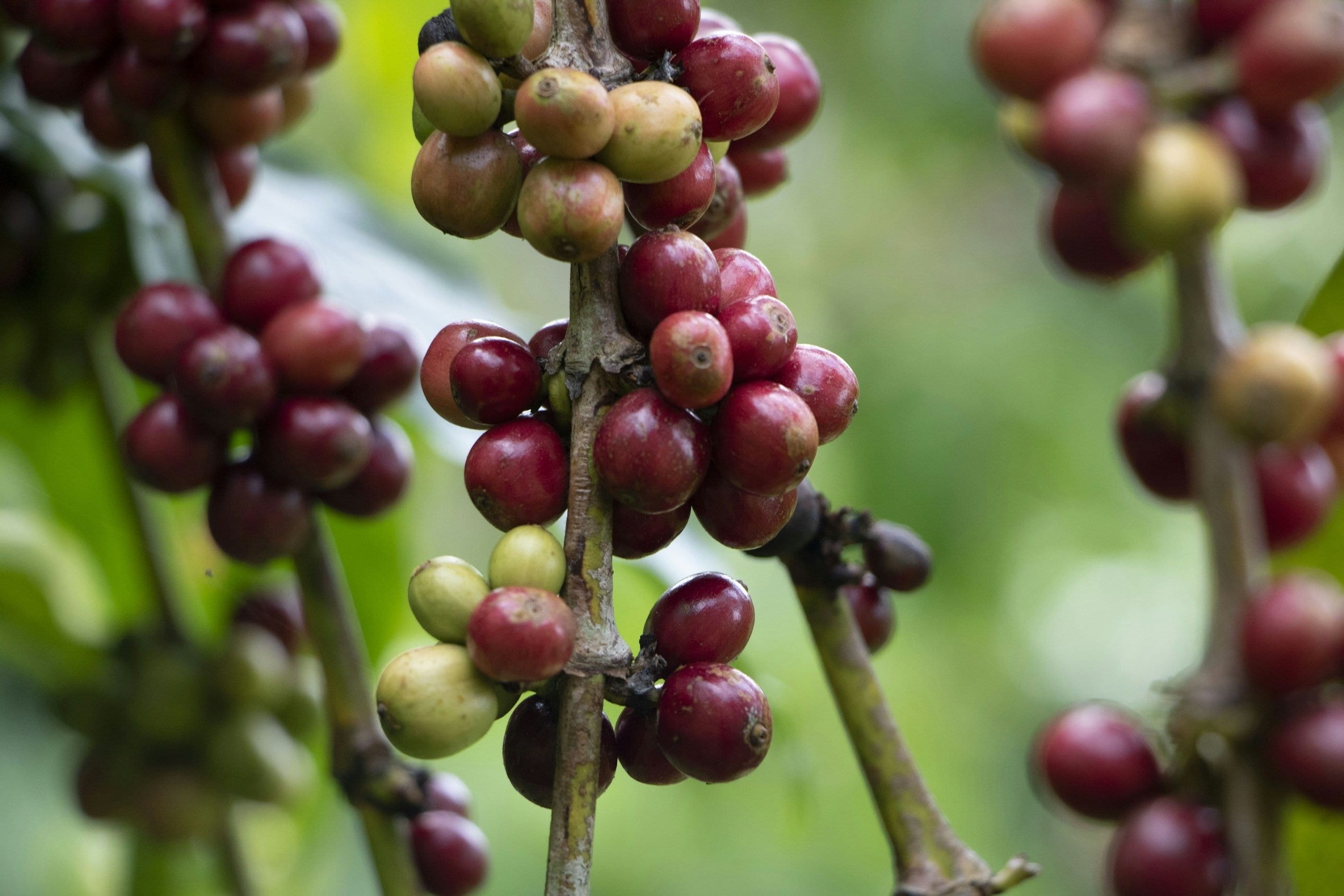
We walk through picking rows accompanied by estate agronomists, learn how to identify ripe crimson coffee cherries, observe whole-leaf rolling machinery that has operated since the 1920s, and participate in formal cupping sessions with master brewers.
To understand these estates is to understand that true luxury in agriculture is not born of industrial speed. It is born of ecological patience—cultivating crops in deep harmony with the ancient forest canopies that shelter them.