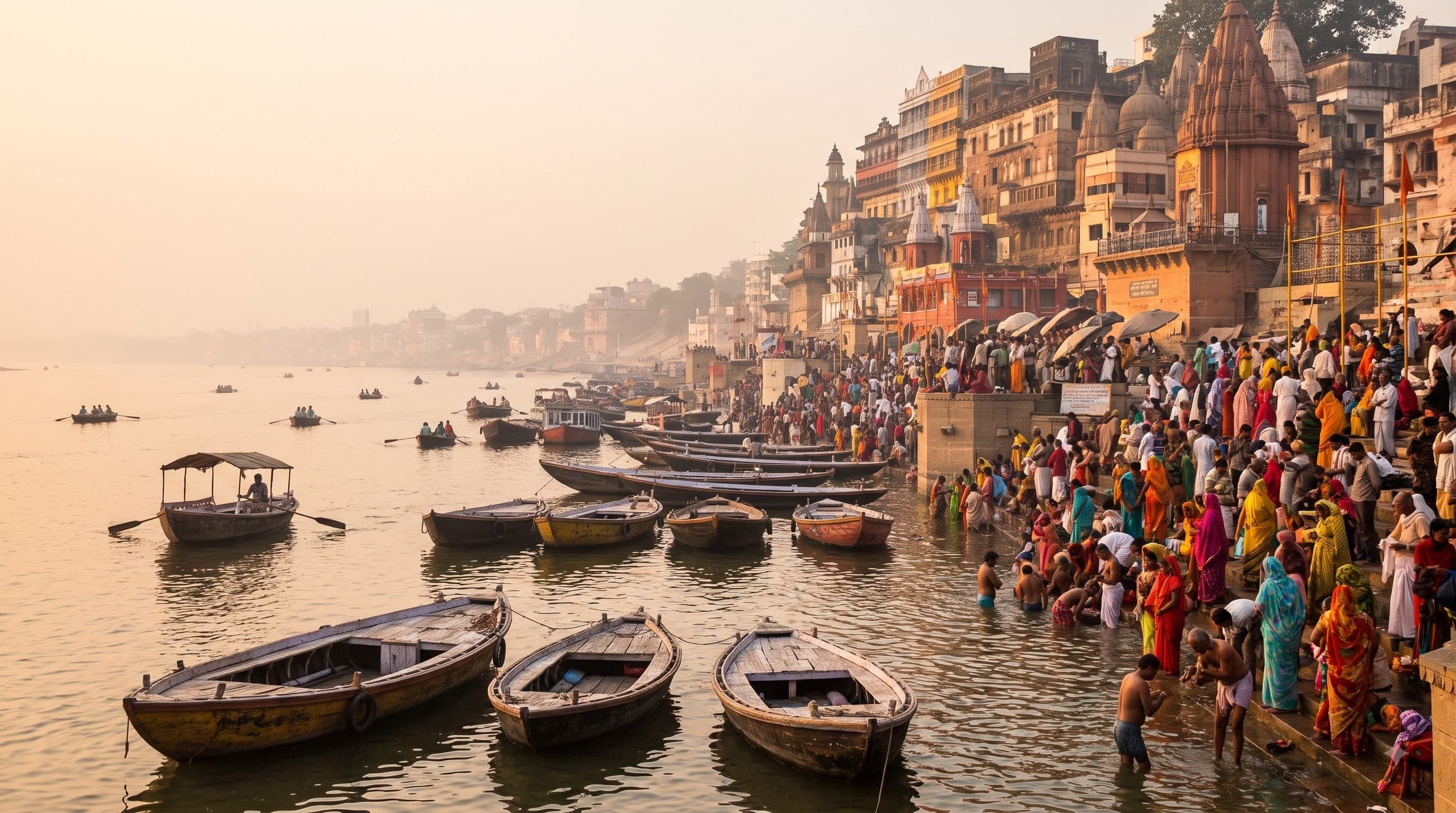

There is a moment that occurs on almost every journey to the ancient river city of Varanasi.
A traveler stands aboard a wooden boat drifting slowly along the crescent curve of the sacred River Ganges. As the boat approaches Manikarnika Ghat, the atmosphere changes. The continuous sound of temple bells and boat engines gives way to the steady crackle of timber fires and the chanting of “Ram Naam Satya Hai.” Smoke rises into the dusk sky from tiered stone platforms where sacred pyres burn day and night, releasing mortal bodies into the holy river in the timeless ritual of Moksha (liberation from the cycle of rebirth).
At this exact moment, an instinct kicks in for many modern travelers: the hand reaches for the smartphone or the telephoto lens, aiming to capture the fire, the ash, and the grieving family members standing in quiet prayer.
It is here that the fundamental line between cultural exploration and voyeuristic extraction is drawn.
       THE SACRED SPACE SPATIAL HIERARCHY

   ┌────────────────────────────────────────────────────────┐
   │ 1. INNER SANCTUM / CREMATION GROUND                     │
   │    • Absolute Camera Ban (Strict Zero-Lens Zone)        │
   │    • Complete Silence & Physical Distance              │
   ├────────────────────────────────────────────────────────┤
   │ 2. TEMPLE CORRIDORS & ACTIVE PRAYER PRECINCTS          │
   │    • Observation from Designated Boundaries             │
   │    • Shoes Removed / Clockwise Circumambulation        │
   ├────────────────────────────────────────────────────────┤
   │ 3. PUBLIC LIVING SPACES & ARTISAN HOMESTEADS            │
   │    • Individual Verbal Consent for Every Single Portrait│
   │    • Non-Intrusive, Respectful Engagement               │
   └────────────────────────────────────────────────────────┘
The First Rule: Sacred Thresholds Are Not Theatres
Being present at a sacred ritual you were not born into requires unlearning consumer tourism habits.
The primary rule is spatial and visual boundary: a guest is not an audience in an auditorium, but someone standing inside an active spiritual sanctuary. Where sacred rites occur, cameras are not simply unwelcome—they are an intrusion upon human dignity and cosmic transition.
- At Manikarnika and Harishchandra Ghats (Varanasi): Photography is strictly forbidden for every participant, tourist, and media crew without exception. Photographing a family in the intimate, raw moment of consigning an elder’s body to the flames is an act of severe disrespect.
- Inside Buddhist Monastic Sanctums (Tabo, Key, Pemayangtse): Photography of ancient thousand-year-old mud-brick frescoes is prohibited. Flash ruins delicate mineral pigments, and shutter clicks shatter the silence required for monastic debate and meditation.
- Inside Hindu Sanctums (Meenakshi Amman, Sree Padmanabhaswamy): The inner sanctum (Garbhagriha) is a consecrated space of deity worship. Cameras and mobile phones are deposited at outer security gates to preserve ritual sanctity.
┌─────────────────────────────────────────────────────────────┐
│                 THE FOXPELS PHOTOGRAPHY CODE                │
├─────────────────────────────────────────────────────────────┤
│ 1. Absolute Zero-Lens Policy at all cremation & death sites │
│ 2. Continuous Individual Consent (Every person, every time) │
│ 3. Never Photograph Children in vulnerable or rural settings│
│ 4. No Flash inside ancient painted sanctuaries or near fauna│
│ 5. Lower the Lens First: Be present before you observe      │
└─────────────────────────────────────────────────────────────┘
The Ethics of Portraiture: Continuous Consent
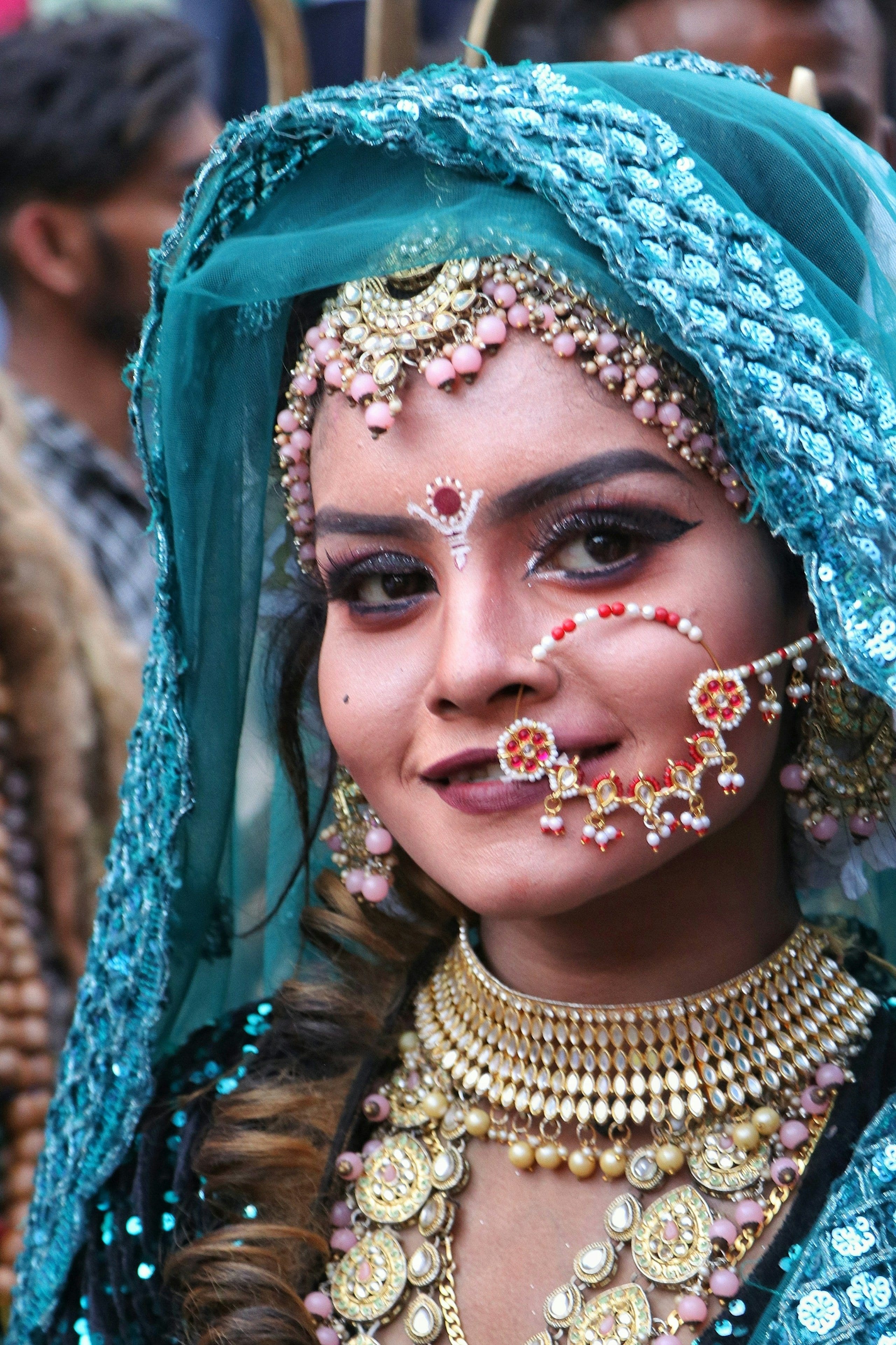
Outside sacred sanctums, in the working lanes of village homesteads and artisan workshops, the question of photography shifts from sacred prohibition to human dignity and consent.
In conventional tourism, travelers often treat rural people as picturesque decorative elements of the landscape. Long zoom lenses are deployed to photograph women carrying water, weavers at looms, or elders on doorsteps without their knowledge.
On Foxpels journeys, our ground protocol is clear:
- Consent is Continuous: Consent is not asked once for an entire village. It is requested respectfully from every individual, every single time.
- Accepting a "No": A raised palm, a turned head, or a hesitant expression is an immediate, absolute refusal. We lower the camera instantly with a polite bow and smile.
- Show the Result: When an artisan grants permission for a photograph, show them the image on your display screen. Share the moment as an exchange between equals, not a transaction.
- Protecting Minors: We maintain a strict prohibition against photographing children in village streets or schools.
The Power of the Lowered Lens
Some of the most profound moments of travel cannot—and should not—be recorded on a microchip.
When you stand before the glowing brass fire lamps of the Haridwar Ganga Aarti, when you watch a Kathakali actor apply sacred green mineral paste to his cheekbones in a dim temple room, or when you sit in silence on the Parikrama of the Golden Temple at midnight: put the camera back into your bag.
Look with your own eyes. Breathe the sandalwood smoke, feel the chill of the river mist, and allow the memory to imprint upon your mind.
Travel is not an exercise in proving where you have stood to an audience on the internet. It is an exercise in allowing a sacred space to change how you see the world.