
In most parts of the world, the proximity of a large apex carnivore to human settlements triggers panic, electric fencing, and armed retaliation.
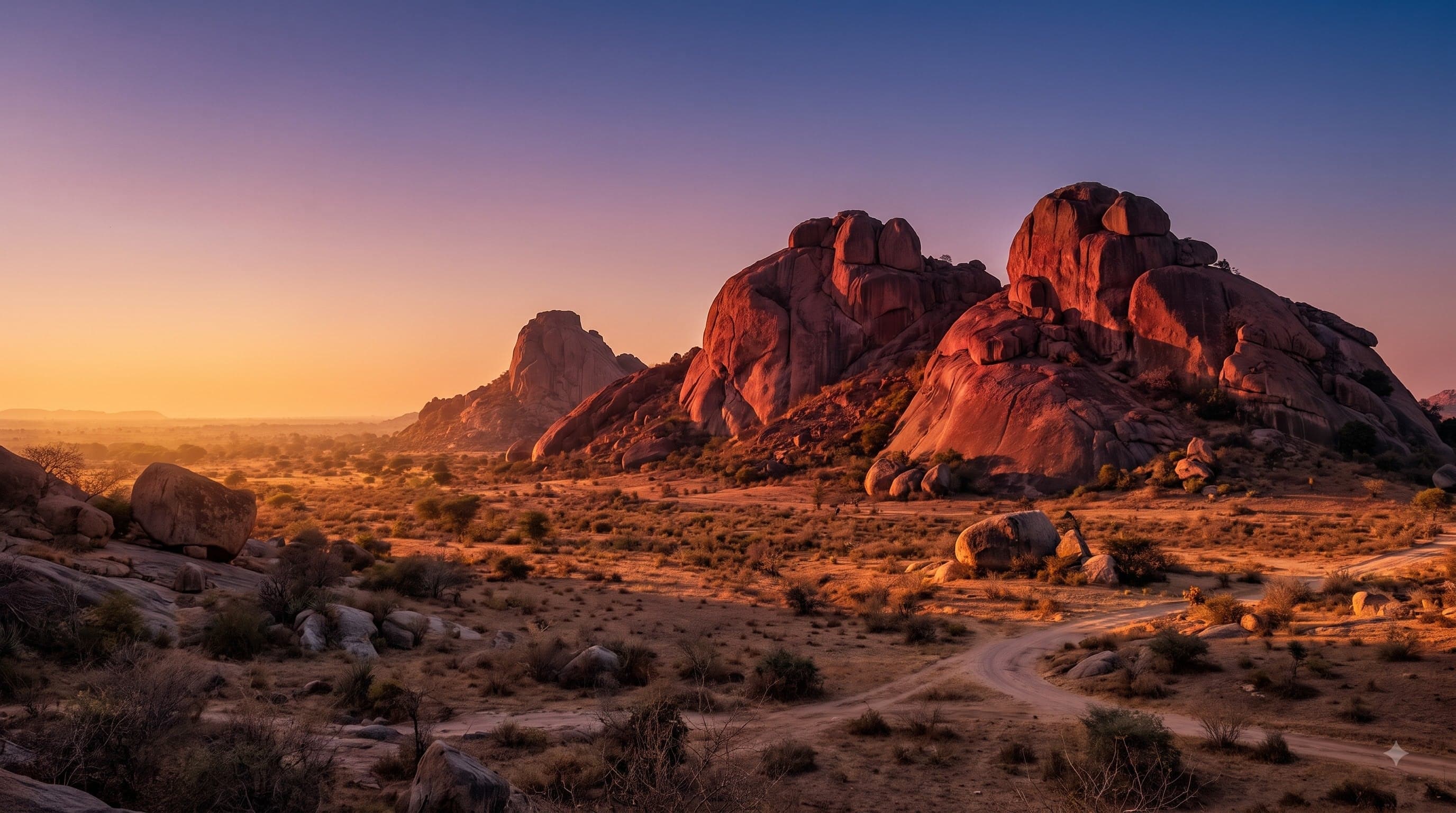
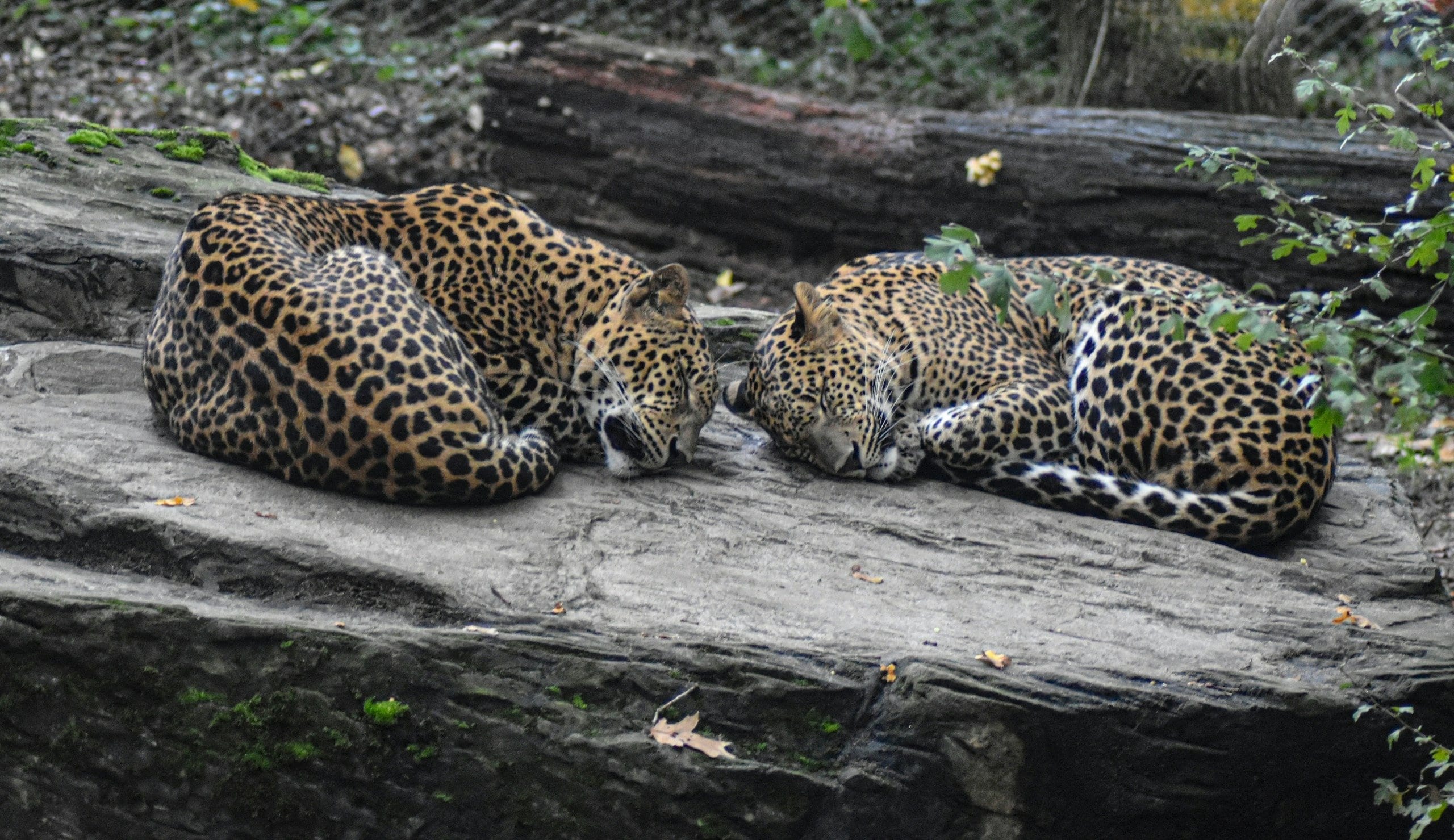
In Jawai Bandh, a rugged landscape of billion-year-old volcanic granite boulders rising out of the scrublands of southern Rajasthan, an entirely different reality has prevailed for centuries. Here, one of the densest populations of wild leopards (Panthera pardus fusca) on earth lives in open, unfenced proximity to rural villages.
Leopards do not hide in the deep recesses of impenetrable national parks. They nap in broad daylight on smooth granite slabs thirty metres above village footpaths. They walk past open-air shrines at twilight. And the people who live alongside them—the indigenous Rabari pastoralists—would not have it any other way.
                  THE JAWAI COEXISTENCE TRIANGLE

                     [ Granite Kopje Caves ]
                     (Natural Leopard Dens)
                             ▲     ▲
                            /                                  /                                   ▼           ▼
        [ Rabari Pastoralists ] ◄───► [ Sacred Shrines & Shiva ]
        (Reverence & Non-Retaliation)  (Cultural Guardianship)
The Rabari Faith and the Sacred Tithe
The Rabari are a semi-nomadic camel and sheep-herding community who trace their ancestry to the consort of Lord Shiva. Dressed in brilliant white cotton angrakhas and distinctive crimson turbans (pagris), they have grazed their livestock across the Aravalli foothills for generations.
To understand why leopards thrive in Jawai, one must understand the Rabari worldview. In Rabari cosmology, the leopard is not vermin or a trophy. It is the sacred vehicle and guardian of Chamunda Mata and Lord Shiva, whose shrines are nestled among the granite boulder caves.
When a leopard occasionally takes a sheep or goat from a Rabari herd, the pastoralist does not set steel traps or lay poison. The loss is regarded as a natural offering—a spiritual tax paid to the wild guardian of the hills.
Furthermore, because the local community has never hunted, stoned, or harassed the animals, the leopards of Jawai have developed an extraordinary behavioral adaptation: they exhibit virtually no defensive aggression toward humans. They have learned that the red turban and the sound of the pastoralist's walking staff pose no threat.
The Landscape of Kopjes
The geology of Jawai is as crucial to this coexistence as its human culture. The landscape is characterized by inselbergs—isolated, weather-rounded granite hills known locally as kopjes.
Over millions of years, wind, heat, and seasonal monsoons have hollowed out intricate cave networks within these granite formations. These caves provide cool, dark, predator-proof dens during the searing heat of Rajasthan’s summer, with elevated vantage points overlooking the surrounding plains.
At the center of the region lies the massive Jawai Dam reservoir, constructed in the 1950s. The reservoir creates an oasis that supports marsh crocodiles, over a hundred species of winter migratory birds (including flamingos and bar-headed geese), and ample prey species like nilgai and wild boar, reducing the leopards' need to rely on domestic livestock.
┌─────────────────────────────────────────────────────────────┐
│                 FOXPELS JAWAI SAFARI ETHICS                 │
├─────────────────────────────────────────────────────────────┤
│ 1. Zero Artificial Spotlighting during night drives         │
│ 2. Minimum 30-Metre Buffer Zone from active cave openings   │
│ 3. Strict 4x4 Off-Road Restrictions (Stay on sand tracks)   │
│ 4. Direct Community Tracking Partnerships with Local Guides │
│ 5. Complete Prohibition of Horns, Drones, or Engine Idling  │
└─────────────────────────────────────────────────────────────┘
Field Ethics: How We Track in Jawai
Because Jawai is not a walled government tiger reserve with rigid gate slots, it requires a heightened level of private safari discipline.
On Foxpels journeys (Journeys 05, 07, and 22), our open 4x4 tracking drives are led by local trackers who have lived among these specific granite hills since childhood. We do not chase animals or box them in with multiple vehicles. We position our 4x4s at respectful distances on sand tracks, cut the engines, and use high-grade optics to observe the leopards exhibiting their natural behavior: grooming cubs, scent-marking boulders, and sunning themselves against the evening chill.
Jawai is a living lesson for global conservation. It proves that the survival of wild predators does not require building concrete walls and evicting indigenous humans. When culture, reverence, and space are preserved, wild leopards and human beings can share the same horizon in peace.